Fleas are amazingly resourceful little insects, not only do they have the agility of a seasoned athlete, but in their pupal stages, they also possess the ability to slow and almost halt their growth and development if no food is present. In this dormant state they lay in wait until an unsuspecting victim triggers them to complete the metamorphosis process. Fleas are capable of picking up minute signals that a host is near, such as vibrations, body heat and carbon dioxide.
Once a flea completes its metamorphosis and emerges as an adult, its primary goal is to search out its first blood meal and then to find multiple mates and reproduce. Fleas are very adaptable to their living environment. If the conditions are ideal it can lead to a very long life span, up to a couple of years, however, on average a flea’s life span is limited to around a 100 days. Now you may be thinking with only having a 100 days to live that there is not much a flea could accomplish – but how about this statistic, one female flea can lay an astonishing 1000 or more eggs over her life span. This ability can turn a light infestation into a heavy infestation extremely quickly.
The humble flea was also responsible for the spread of one of the most devastating pandemics in human history. The Bubonic Plague widely known as the Black Death, killed an estimated 60% of the European population in the 13th and 17th centuries. The 13th century outbreak is thought to have originated in China and spread along China’s trade route “The Silk Road”. It was believed that European and Chinese merchants had accidentally transported infected rats within their goods. The fleas which were happily feeding on the infected rodents while they were alive, would quickly jump to the nearest alternative host (humans) to get its next meal once the rat died, thus passing the infection on to the new host. Amazingly the bubonic plague has no effects on fleas.
Recent Blogs

The Company We Keep
In most cases a pest infestation, whether it is rodents, insects or birds etc. is normally an indication of other…
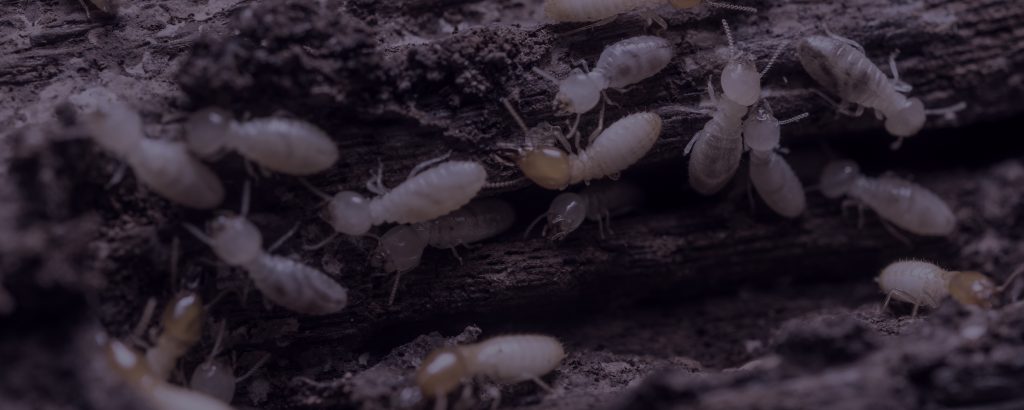
Smoke and Mirrors, Insurance & Termites
There is a lot of confusion when it comes to termites and the risk they pose to your property. The…
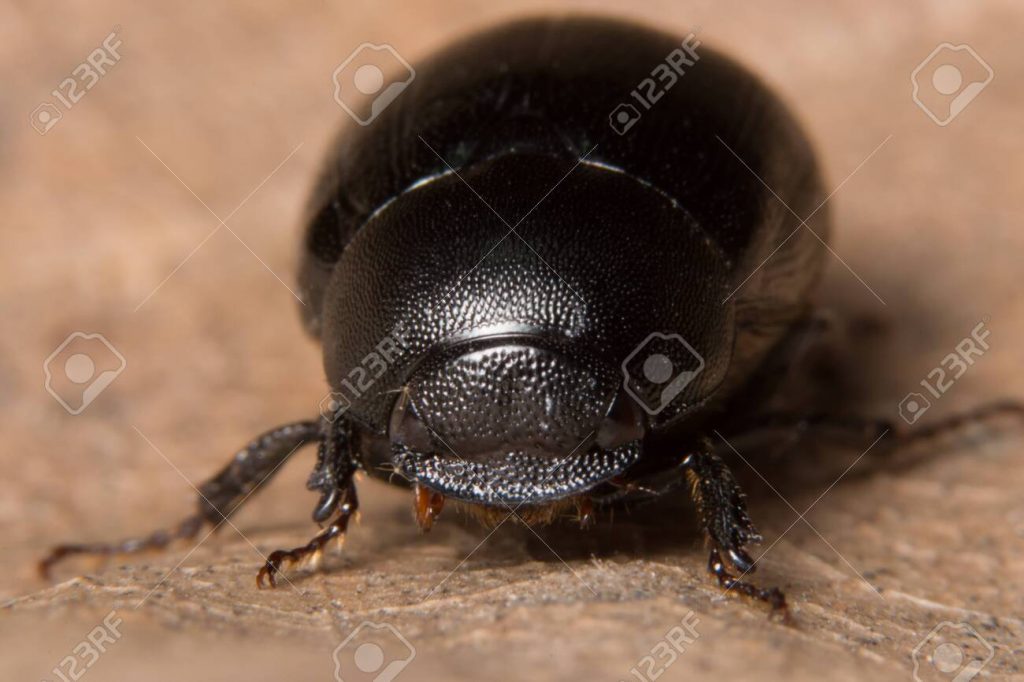
The merriest little beetle in the land, the Christmas Beetle
It’s that time of year again, when you can hear the faint jingling of sleigh bells and know that before…
All the buzz on Bee’s
Spring is here and that means “Viva la Revolution”, well in the bee world that is. In spring each year…