
How to Inspect for Bed Bugs: A Step by Step Guide
Bed bugs are expert hiders, but they always leave evidence behind. This guide shows you exactly where to look, what to look for, and what to do if you find them.
Been waking up with itchy bites? Bed bug bites cause redness, irritation and swelling, and they are often the first clue that something is sharing your bed. These insects have been called the globe’s greatest hitchhikers because they spread so easily in traveller’s luggage, and they are an increasing problem in Australia.
One thing worth saying up front: having bed bugs does not mean your home is unsanitary. It just means you have been unlucky. Knowing how to inspect for bed bugs means you can catch a problem early, confirm what you are dealing with, and get the right treatment sooner.
Checking for Bed Bugs Step by Step
Here is how to inspect for bed bugs, one step at a time. All you need is a torch or your phone light, a thin card such as an old bank card, and a few minutes in each bedroom.
Strip the Bed and Check the Sheets
Pull back the bedding and look closely at the sheets and mattress protector. Tiny blood spots on sheets are the tell-tale sign of bed bugs, along with small dark droppings. Check the pillowcases too.
Inspect the Mattress Seams
Bed bugs like to hide in the seams of mattresses. Run your card slowly along every seam, the piping around the edges and under any labels, using your torch as you go. Lift the mattress and check the underside and the base as well.
Examine the Bed Frame and Headboard
Bed bugs stay in cracks and crevices close to their host. Check the joints, screw holes and slats of the frame, and behind and inside the headboard, especially where it meets the wall.
Work Outwards to Nearby Furniture
Move on to bedside tables, drawer joints and undersides, upholstered chairs and couches, skirting boards and any cracks or gaps near the bed. The closer to the sleeping area, the more carefully you should look.
Check Luggage After Travel
Because bed bugs spread in luggage, inspect suitcases and bags along their seams, pockets and zips whenever you return from a trip, before they come back into the bedroom.
Where Bed Bugs Hide
Bed bugs are blood sucking insects that hide in cracks and crevices close to their host, which is usually people, though household pets can also be targeted. The mattress is the classic hiding spot, followed by bed frames, headboards and the joints of nearby furniture.
They are also remarkably patient. Adult bed bugs can survive for up to seven months without a blood meal and have been known to live in empty buildings for up to a year, so a room that has sat unused is not automatically in the clear.
Bed bugs do not mean a dirty home. They mean an unlucky one.
What Bed Bugs, Eggs and Droppings Look Like
Knowing what the evidence looks like makes your inspection far more reliable. Here is what to keep an eye out for.
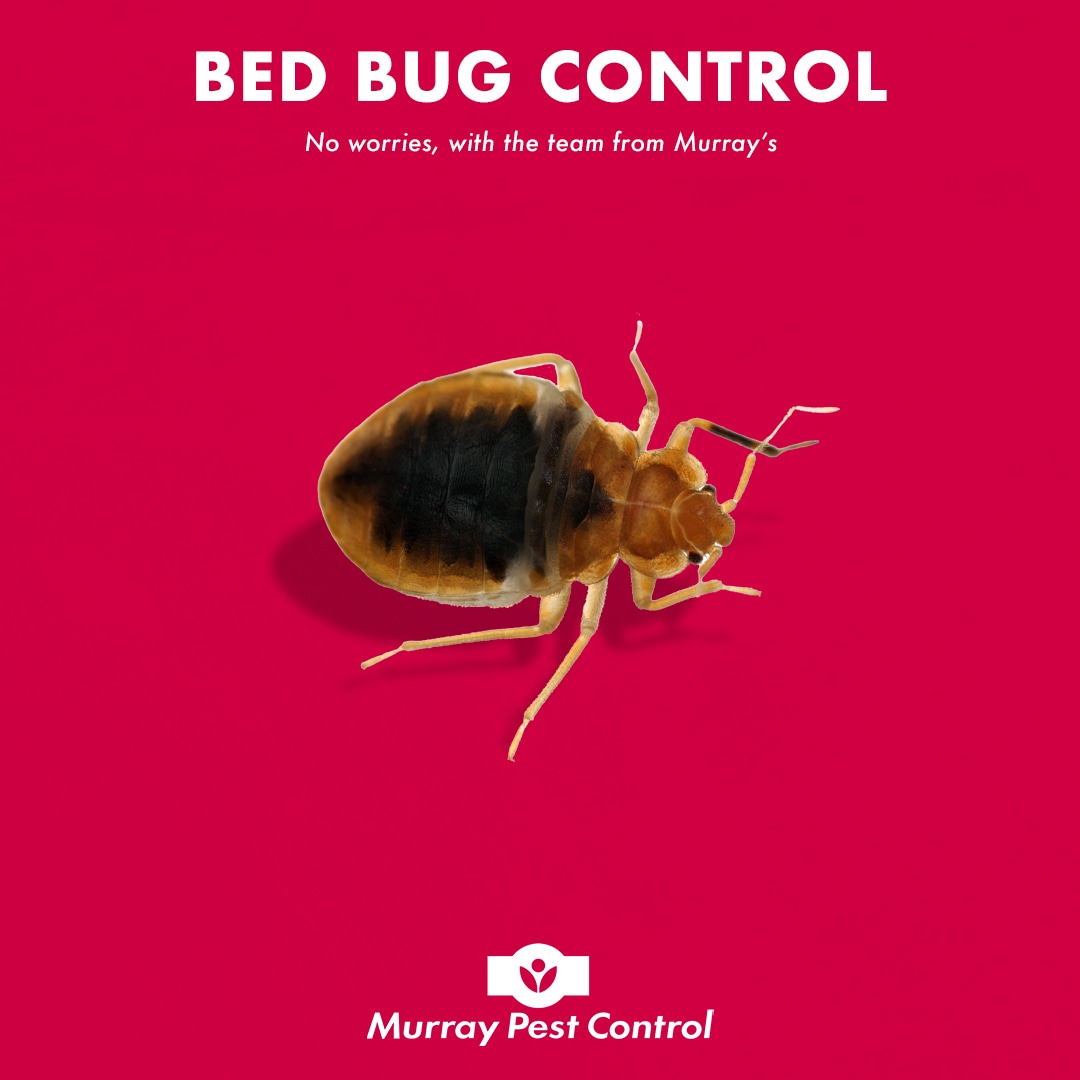
- Live bed bugs: flat, oval insects about the size of an apple seed, roughly 4 to 5 mm long, and reddish brown in colour. After feeding they look darker and swollen.
- Eggs: tiny, pearly white and about 1 mm long, usually laid in clusters inside cracks, crevices and seams.
- Droppings: small dark spots that look like ink dots, often clustered along mattress seams and frame joints, plus the tiny blood spots left on sheets.
- Shed skins: pale, papery casings left behind as young bed bugs grow, often found in the same spots as droppings.
Found Something? Here Is What to Do
If you have followed this guide on how to inspect for bed bugs and found any of the evidence above, do not panic, and do not reach straight for a supermarket spray. Bed bug treatment is very specialised and differs depending on the infestation and the environment, which is why professional help matters here more than with most pests.
Professional control usually involves applying synthetic pyrethroid insecticides to surfaces and the harbourage areas where bed bugs hide, and in places like traveller accommodation an ongoing preventative program may be needed. In the meantime, good hygiene and sealing cracks and crevices in affected areas will help limit the spread.
Murray’s bed bug control service covers Adelaide and all of South Australia, with details on treatment, warranty and a free, no obligation quote just a phone call away.
Now that you know how to inspect for bed bugs, make a quick check part of your routine whenever you return from travel or buy second hand furniture. Ten minutes with a torch is a small price for catching the globe’s greatest hitchhiker before it settles in.
Recent Blogs

Don’t buy Termites
It’s hard not to get caught up in the moment when you find your dream home. You’ve already moved in…

The rise of the Rat
There’s no escaping that we live in a harsh environment from the searing heat waves through to the sustained periods…
The Amazing Flea
Fleas are amazingly resourceful little insects, not only do they have the agility of a seasoned athlete, but in their…